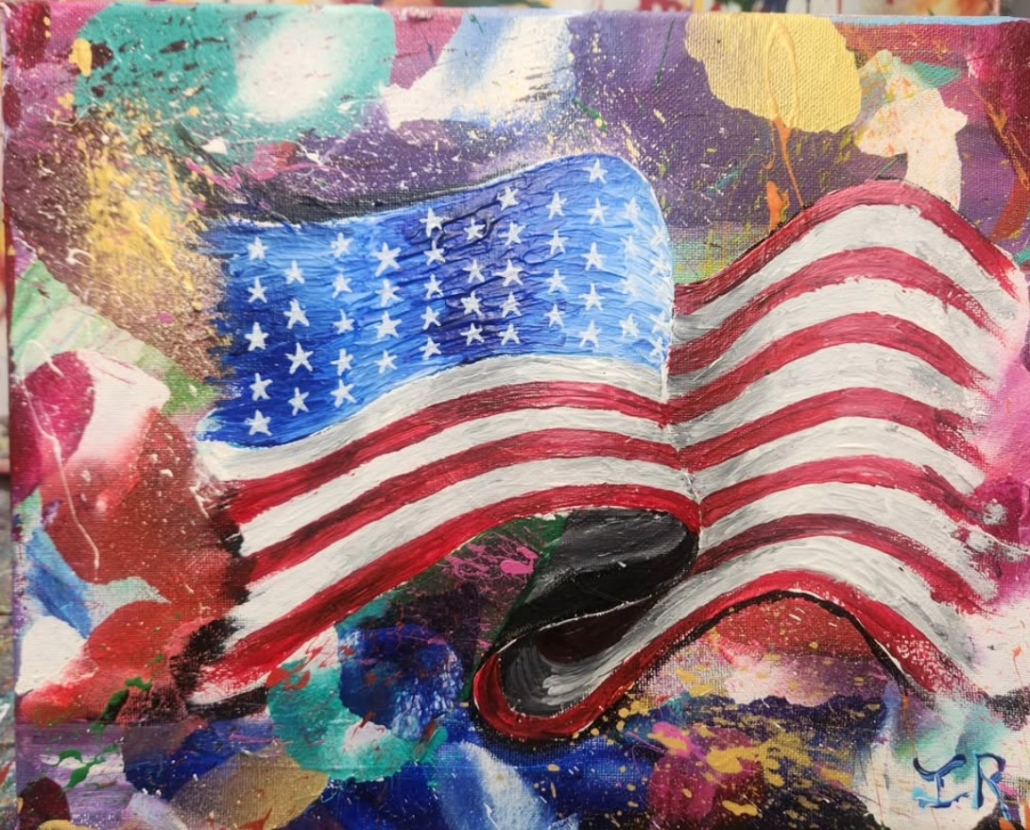
Murals of Honor Throughout History
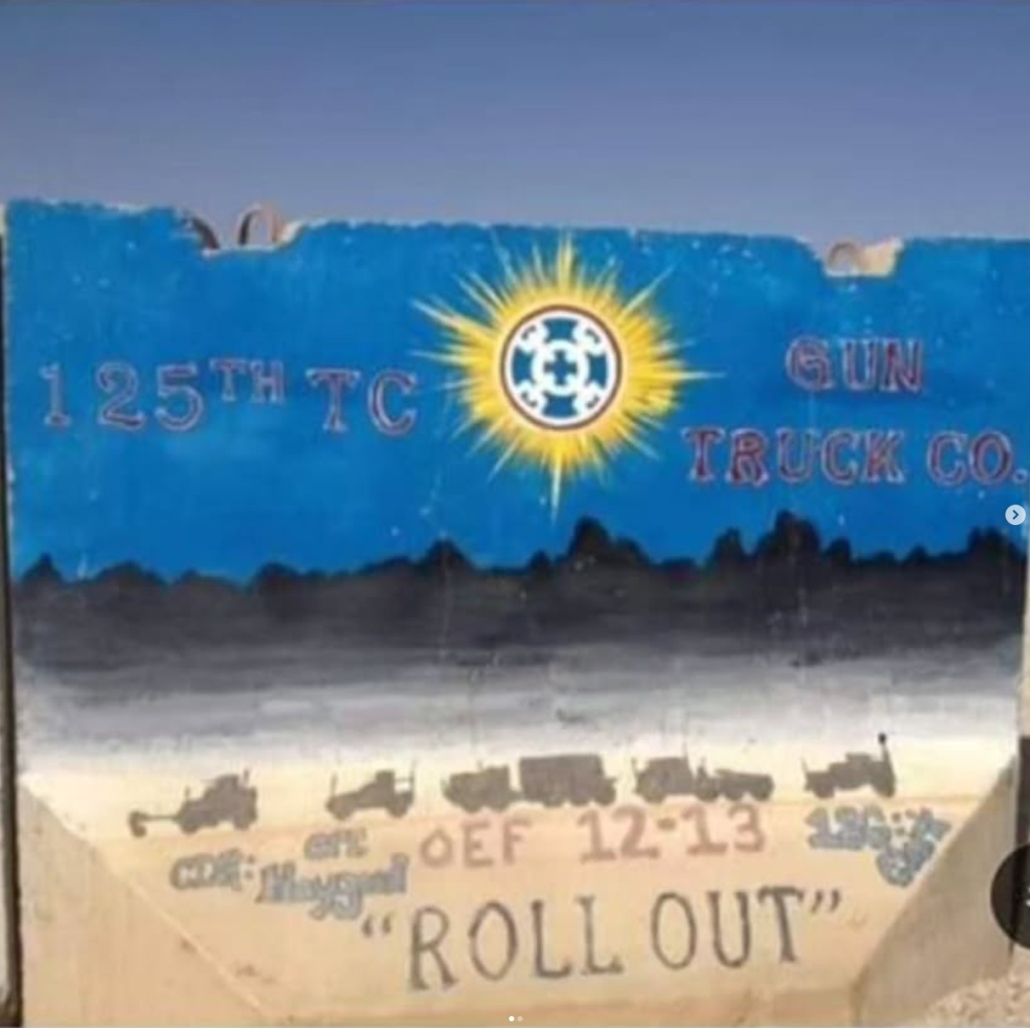
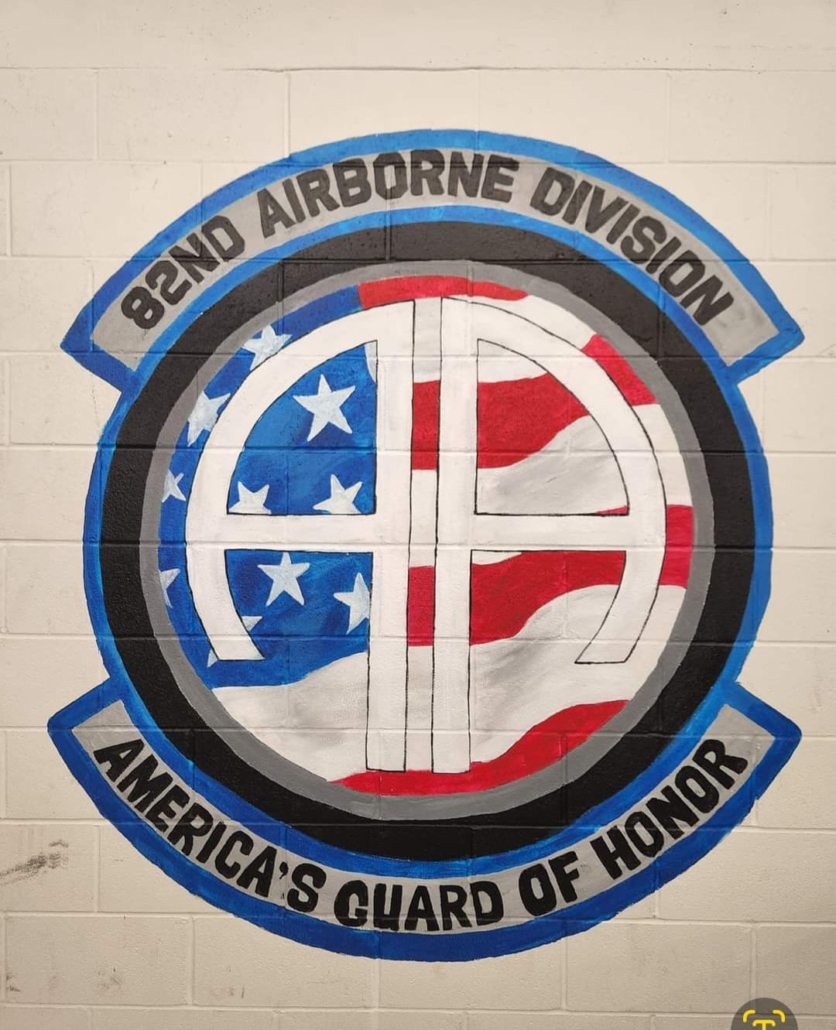
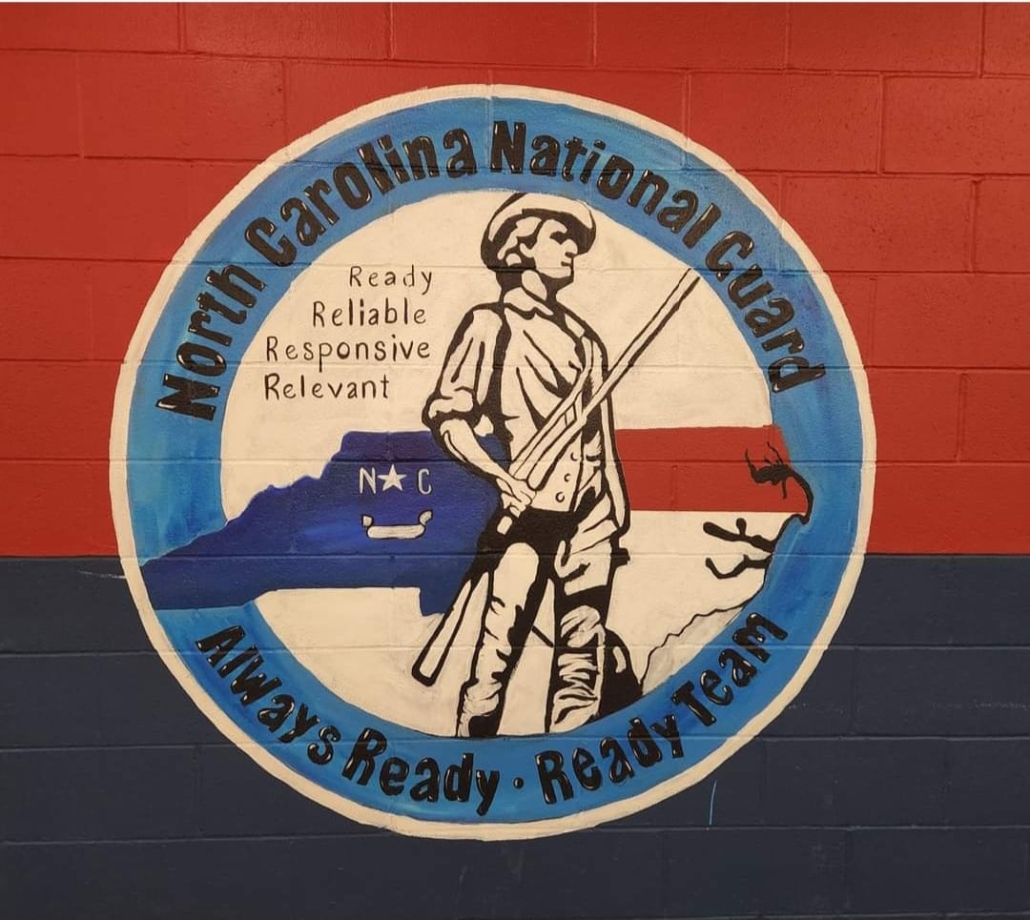
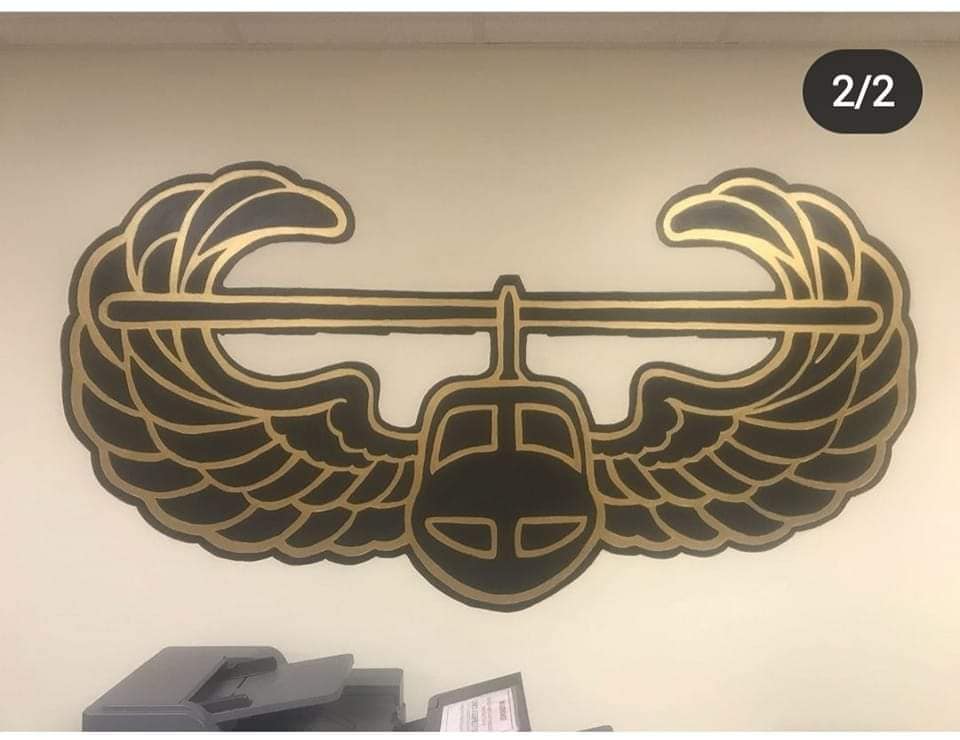
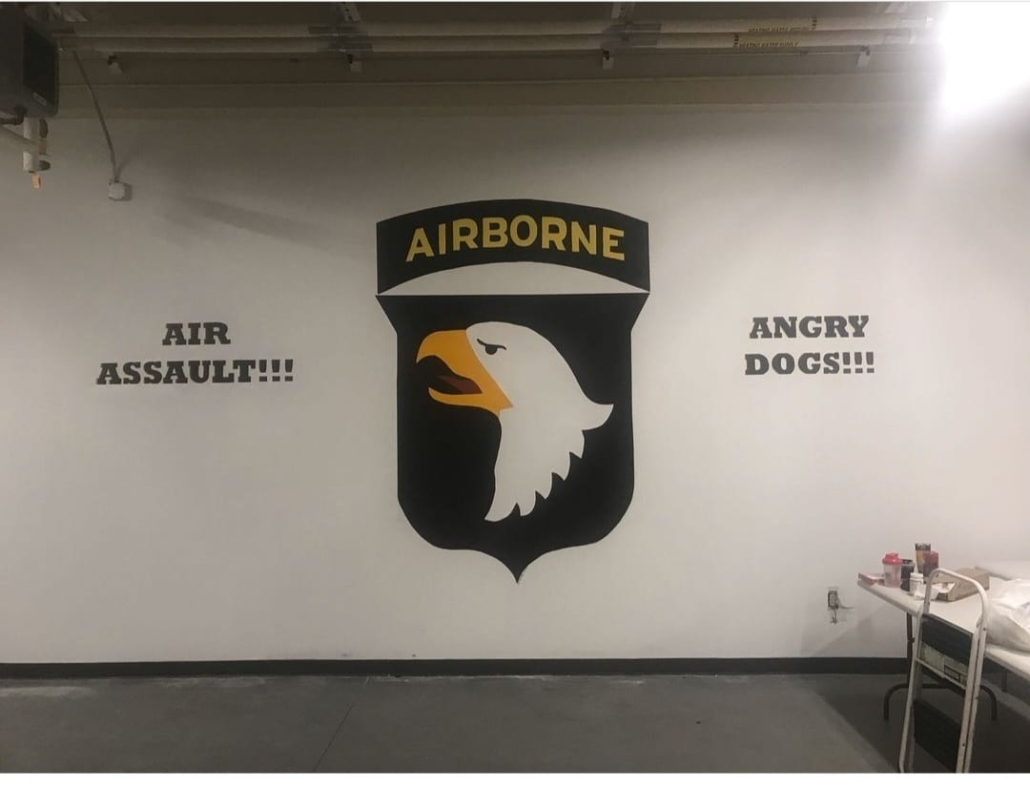
Military murals trace their origins back to the early 20th century, when service members began painting insignias, mascots, and motivational images on barracks walls, aircraft, and unit buildings. These murals quickly became a powerful source of identity, pride, and connection for troops stationed far from home. More than simple artwork, they served as symbols of unity boosting morale, honoring fallen comrades, and reminding service members of their shared mission and strength. Over time, military murals evolved into lasting visual traditions that continue to inspire, motivate, and preserve the stories of those who serve.
Examples of Early Military Artwork Designs
1. Unit Insignias on Aircraft (WWI & WWII)
Pilots and crew members painted bold, symbolic images on aircraft fuselages eagles, sharks, lightning bolts, unit numbers, and patriotic motifs. Iconic examples include the “Flying Tigers” shark-mouth design and the B-17 nose art that became famous during WWII.
2. Barracks & Bunker Wall Markings
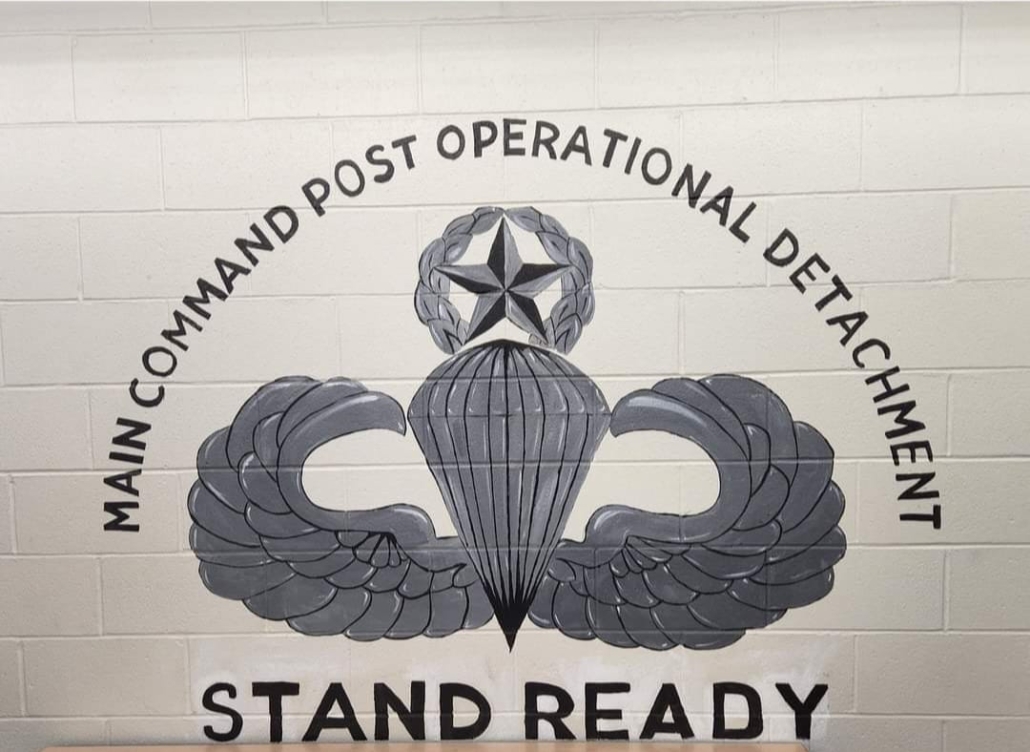
Soldiers often decorated their living spaces with hand-painted unit crests, flags, humorous cartoons, and motivational quotes. These pieces helped personalize otherwise harsh environments and brought comfort and familiarity to deployed troops.
3. Nose Art & Pin-Up Illustrations
WWII is especially known for its nose art vibrant pin-up girls, mascots, and character illustrations painted on bombers and fighters. These images, often inspired by hometown sweethearts or popular magazine art, boosted morale and gave crews a sense of individuality.
4. Ship and Submarine Art
Sailors painted insignias, mission tallies, mascots, and cartoon characters on bulkheads, torpedo tubes, and even massive conning towers. Submarines often featured fierce animals or mythical creatures to represent stealth and power.
5. Motor Pool & Vehicle Markings
Tanks, jeeps, and trucks frequently carried hand-painted art—tigers, skulls, playing cards, names, slogans, or patriotic symbols giving each vehicle a distinct identity and strengthening unit cohesion.
6. Trench Art Designs
During WWI, soldiers carved and engraved decorative patterns, insignias, and scenes into shell casings, wood scraps, and metal fragments. While not murals, these designs show how artwork helped troops cope with the stress of war.